Most people think sushi is about fish. Ask any chef in Ginza and they will tell you it is about rice — and that the rice is mostly about temperature.
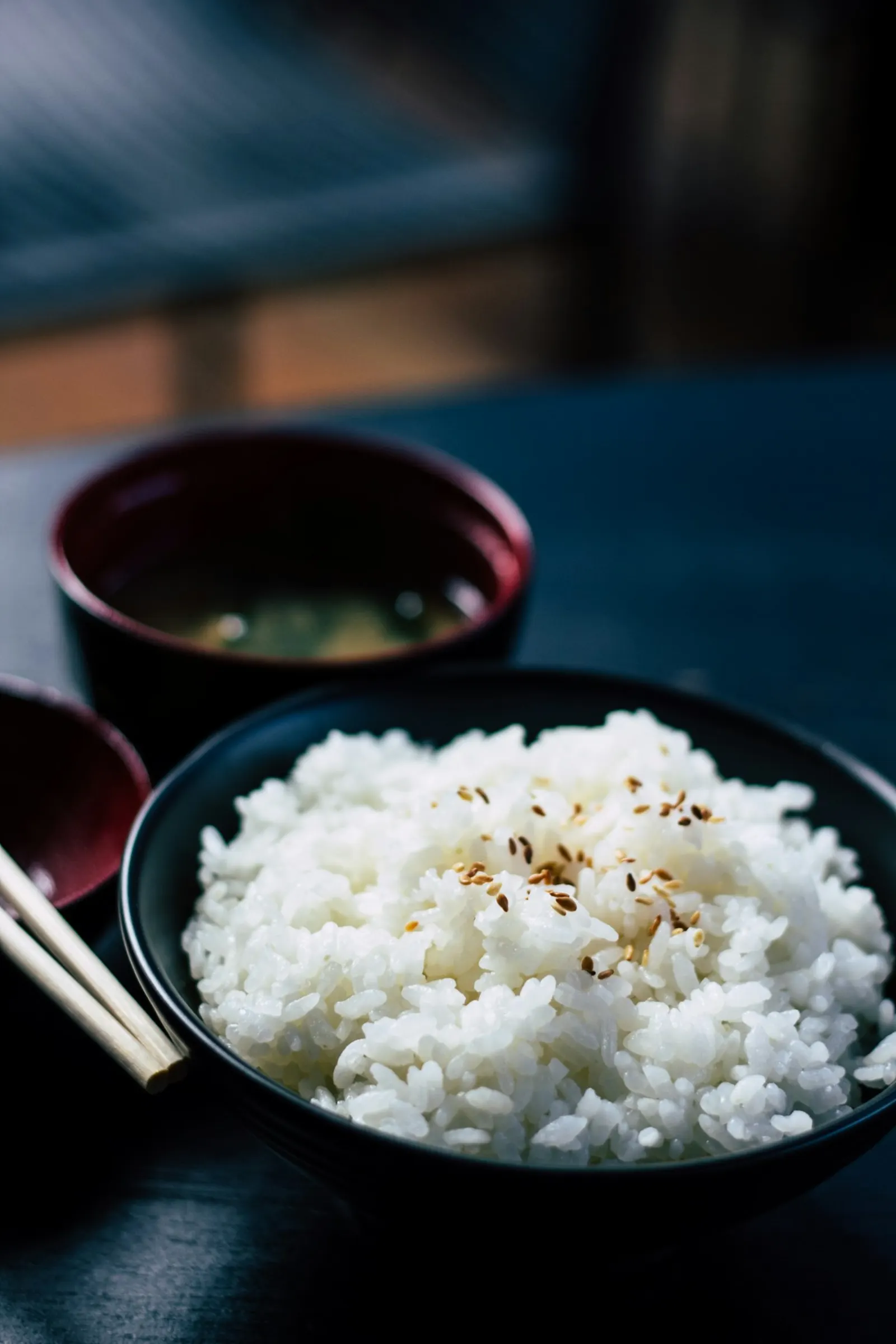
At Kiyo we cook Koshihikari from a single farm in Niigata, polished every Monday so it never goes stale. It is washed until the water runs clear, rested for thirty minutes and cooked in a heavy iron pot over gas.
The 36°C rule
Shari should be close to the temperature of your skin. Too cold and the grains seize and the vinegar tastes sharp. Too hot and the fish begins to cook, its fat melting before it reaches you. At 36°C the rice is soft and loose, and the fat in a slice of chu-toro just begins to soften.
That is why we keep the rice in a wooden ohitsu wrapped in cloth beside the counter, and why we make a fresh batch every forty minutes rather than one large pot for the evening.
“If the rice is wrong, nothing on top of it can save the piece.”
Red vinegar
We season with akazu — red vinegar brewed from sake lees and aged three years. It is mellower and rounder than white rice vinegar, and gives the rice a faint caramel colour. We add salt but no sugar, in the old Edomae style.
Ten seconds
This is why we ask you to eat each piece within about ten seconds of it landing on your plate. It is not etiquette for its own sake — it is the window in which the rice is exactly right.
Next time you sit at the counter, notice the warmth of the first bite. That is the whole idea.